Best Education Books for Teachers: Stephanie Stollar’s 2026 Holiday Reading List
The holiday season is the perfect opportunity to catch up on your professional reading. Whether you're looking forward to a quiet afternoon with a good book or planning your professional learning for the new year, I've got some recommendations for you!
My 2026 Holiday Book List includes practical resources to strengthen literacy instruction, improve MTSS implementation, and support the educators who make it all happen.
This year, I'm especially excited about the growing number of resources for secondary literacy educators and school leaders working to turn research into sustainable practices.
Whether you're a classroom teacher, instructional coach, school leader, or teacher educator, I hope you'll find something here that helps you approach your work with fresh ideas and renewed confidence.
For each book, I've included space for links to purchase on Amazon or support local bookstores through Bookshop.org. If you purchase through one of my links, I'll receive a small commission that helps fund my work at Reading Science Academy.
Secondary educators face unique challenges when supporting students who need stronger literacy skills. These two books offer research-based guidance for teaching reading and writing across the secondary grades.
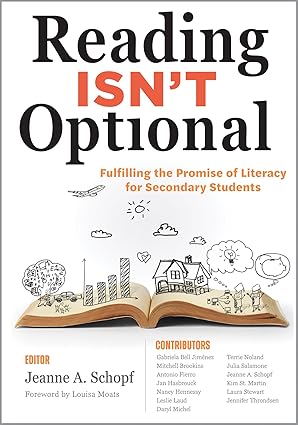
1. Reading Isn't Optional, edited by Jeanne Schopf
MTSS and the science of reading aren’t just tools for the primary grades. Secondary educators looking for practical, evidence-based literacy guidance will appreciate this collection of insights from some of the field's leading researchers and practitioners.
Featuring contributions from experts including Nancy Hennessy, Antonio Fierro, and Jan Hasbrouck, Reading Isn't Optional addresses an important gap in professional learning for secondary educators. It brings together effective practices to help teachers better understand what to teach and how to teach it.
This is a valuable resource for educators ready to strengthen literacy instruction beyond the elementary grades.
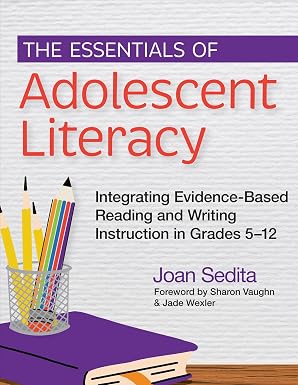
2. The Essentials of Adolescent Literacy by Joan Sedita
How can teachers in grades 5–12 strengthen students' reading and writing skills while teaching their own content?
Joan Sedita offers a practical answer in The Essentials of Adolescent Literacy. This guide helps educators integrate evidence-based reading and writing instruction across content areas, with tools and templates that make the recommendations easier to implement.
It's an especially useful resource for secondary teachers and instructional leaders working to make reading and writing instruction a shared responsibility across subjects.
MTSS Support
Effective MTSS implementation takes more than collecting data or identifying students who need intervention. Schools need clear decision-making processes, strong systems, and professional learning that changes adult practice.
These four books provide practical guidance for making that happen.
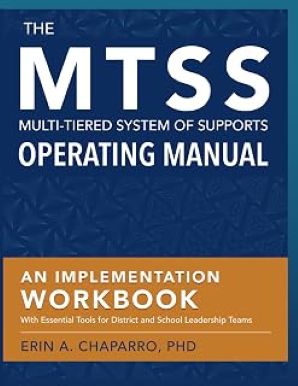
3. The MTSS Operating Manual by Dr. Erin A. Chaparro
When leadership teams meet to review data, do they have the tools and processes they need to turn that information into meaningful action?
In The MTSS Operating Manual, Dr. Erin Chaparro provides practical tools to help school and district leadership teams use data to build stronger, more sustainable systems of support.
Designed as an implementation workbook, this resource helps leaders establish the structures, routines, and decision-making processes that allow MTSS to function as an integrated part of school operations.
It's an excellent resource for teams ready to move from discussing data to using it to guide lasting systems improvement.
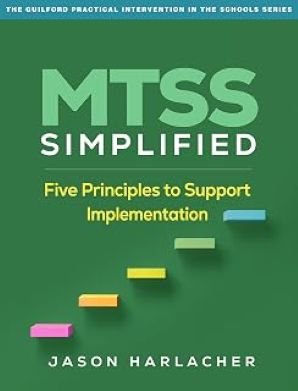
As I stated in my endorsement of the book, Harlacher knows that student outcomes don't improve unless adults change their behavior. He provides light-hearted stories and more than twenty practical forms to simplify the complexity of MTSS.
Harlacher helps educators focus on the practices and processes that make MTSS work, offering tools that teams can use as they strengthen implementation.
It's a great choice for anyone who wants to make MTSS feel less overwhelming and more actionable.
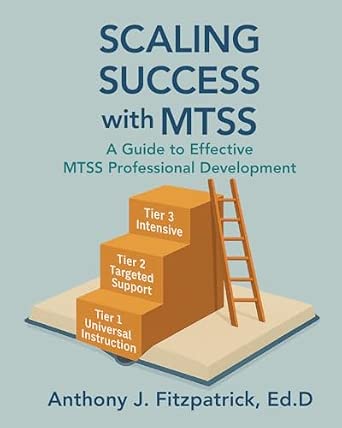
5. Scaling Success with MTSS by Anthony Fitzpatrick
Even the best MTSS framework will fall short if educators don't have the knowledge and skills to implement it effectively.
In Scaling Success with MTSS, Anthony Fitzpatrick provides a roadmap for designing, delivering, and evaluating professional learning that prepares educators to implement MTSS successfully.
This book is particularly valuable for district leaders, administrators, and professional learning facilitators responsible for building staff capacity and supporting consistent implementation across schools.
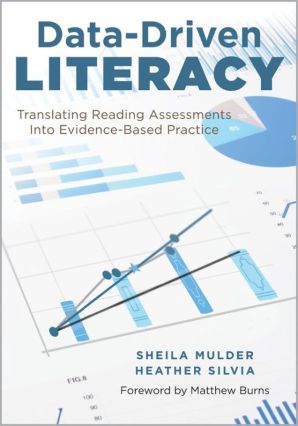
6. Data-Driven Literacy by Sheila Mulder and Heather Silvia
Having student literacy data is one thing. Knowing what to do with it is another.
Data-Driven Literacy offers a straightforward guide to using assessment data within a structured decision-making model. It helps educators approach literacy improvement systematically, using evidence to guide instructional decisions and improve student outcomes.
A useful resource for teams looking to bring greater clarity and consistency to their data-based decision-making.
The Mighty Miscellaneous
Some books are too valuable to leave off the list, even when they don't fit neatly into one category!
These recommendations explore instructional coaching, literacy research, and effective teaching practices.
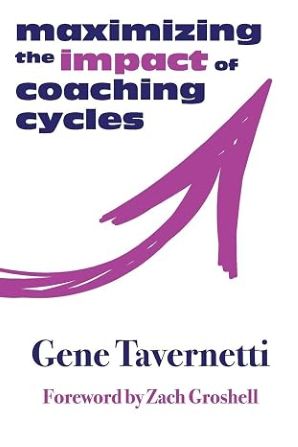
7. Maximizing the Impact of Coaching Cycles by Gene Tavernetti
Instructional coaching can powerfully improve teaching, but coaches often encounter resistance and roadblocks along the way.
Gene Tavernetti offers practical advice for navigating those challenges while keeping the focus on improving instruction and student outcomes.
His recommendations may challenge some familiar coaching practices. He advises against relying on teachers to volunteer for coaching or using demonstration lessons as a default approach. He also emphasizes listening to teachers, recognizes that being busy isn't the same as being effective, and encourages coaches to avoid attempts to force change.
This is a thought-provoking resource for instructional coaches and school leaders who want coaching cycles to produce meaningful results.
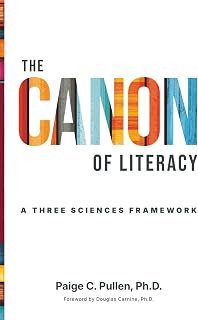
If you're looking for a comprehensive review of the research that informs effective literacy instruction, TheCanon of Literacy deserves a place on your shelf.
Paige Pullen connects the science of reading, the science of learning, and the science of instruction to the teaching of word recognition and language comprehension.
The result is a research-focused resource that helps educators deepen their understanding of the evidence behind effective literacy practices.
This book is an excellent choice for a professional book study and would make valuable required reading in educator preparation programs.
My Newest Publication
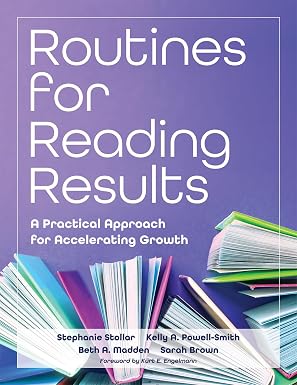
9. Routines for Reading Results by Stephanie Stollar, Kelly A. Powell-Smith, Beth Madden, and Sarah Brown
I'm especially excited to include my newest publication, Routines for Reading Results.
Building on the foundational work of Douglas Carnine and colleagues in Teaching Struggling and At-Risk Readers, this updated and expanded resource provides more than 60 routines for directly and explicitly teaching and practicing essential literacy skills.
The routines address both word recognition and language comprehension, offering practical guidance educators can use to deliver effective instruction.
Although the book is particularly relevant for K–2 classrooms, it's also appropriate for older students who haven't yet been taught the foundational skills they need to become successful readers.
If you're looking for a resource that helps translate the science of reading into daily instruction, I hope you'll find this one useful!
Can’t Wait for This to Arrive!
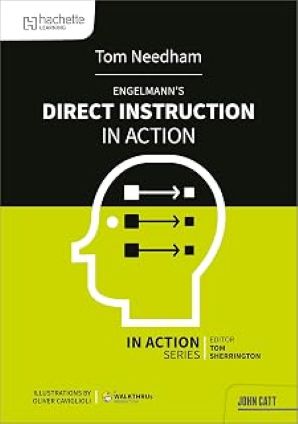
10. Engelmann's Direct Instruction in Action by Tom Needham
Direct Instruction is a teaching approach built on carefully designed lessons and a clear understanding of how students learn.
In Engelmann's Direct Instruction in Action, Tom Needham explores the principles and underlying assumptions of Direct Instruction, focusing on how educators can apply them in schools.
This one is released in November 2026, so I'm looking forward to reading it. Understanding the principles behind effective instruction can help educators make more intentional choices about how they teach.
Keep it on your reading list if you're interested in strengthening explicit, systematic instruction.
Final Thoughts
One thing these books have in common is their emphasis on putting research into practice.
Whether you're learning how to teach adolescent literacy, strengthening your MTSS framework, or improving instructional coaching, each resource offers an opportunity to think more deeply about the decisions we make as educators.
And while the holidays might give us a little more time to read, the real value comes when we bring what we've learned back to our classrooms and schools.
I hope this list helps you find your next great professional read. Happy reading!
Frequently Asked Questions
Q1: What are the best professional development books for teachers in 2026?
Some of my recommended professional development books for 2026 include Reading Isn't Optional, edited by Jeanne Schopf, The Essentials of Adolescent Literacy by Joan Sedita, and Canon of Literacy by Paige Pullen. These resources help educators deepen their understanding of evidence-based literacy instruction and apply research in the classroom.
Q2: What books can help school leaders improve MTSS implementation?
MTSS Simplified by Jason Harlacher, Scaling Success with MTSS by Anthony Fitzpatrick, and The MTSS Operating Manual by Dr. Erin Chaparro offer practical guidance for strengthening MTSS implementation. They address adult practices, professional learning, and the systems that support effective data-based decision-making.
Q3: What are the best books for teaching reading using the science of reading?
Routines for Reading Results by Stephanie Stollar and colleagues offers more than 60 explicit instructional routines for teaching word recognition and language comprehension. Canon of Literacy by Paige Pullen provides a comprehensive research foundation, while The Essentials of Adolescent Literacy by Joan Sedita addresses evidence-based literacy practices for students in grades 5–12.